















“In buyer conversations, I show the Wolfia Trust Center more than some of our product features. It’s a critical part of our sales process.”

David PaffenholzCEO & Co-Founder
Stop owning a trust center you can’t find in Google and can’t control. Wolfia gives you a branded one on your own domain that buyers find, self-serve, and walk away from thinking you’re enterprise-ready, before procurement ever sends a questionnaire.
Built for GRC, customer trust and sales engineering teams.
01
It runs on trust.yourcompany.com with your logo, colors, and copy, and it is fast enough to rank, so a buyer searching your name lands on yours. Every domain that requests a document is an intent signal you can pipe into your CRM.
02
Requests are matched against Salesforce so current customers and open opportunities auto-approve. Reusable NDAs carry across documents, and every signature lands in the audit log.
03
It reads from the same knowledge base that answers your security questionnaires, so when the SOC 2 renews or the subprocessor list changes, the public page changes with it.
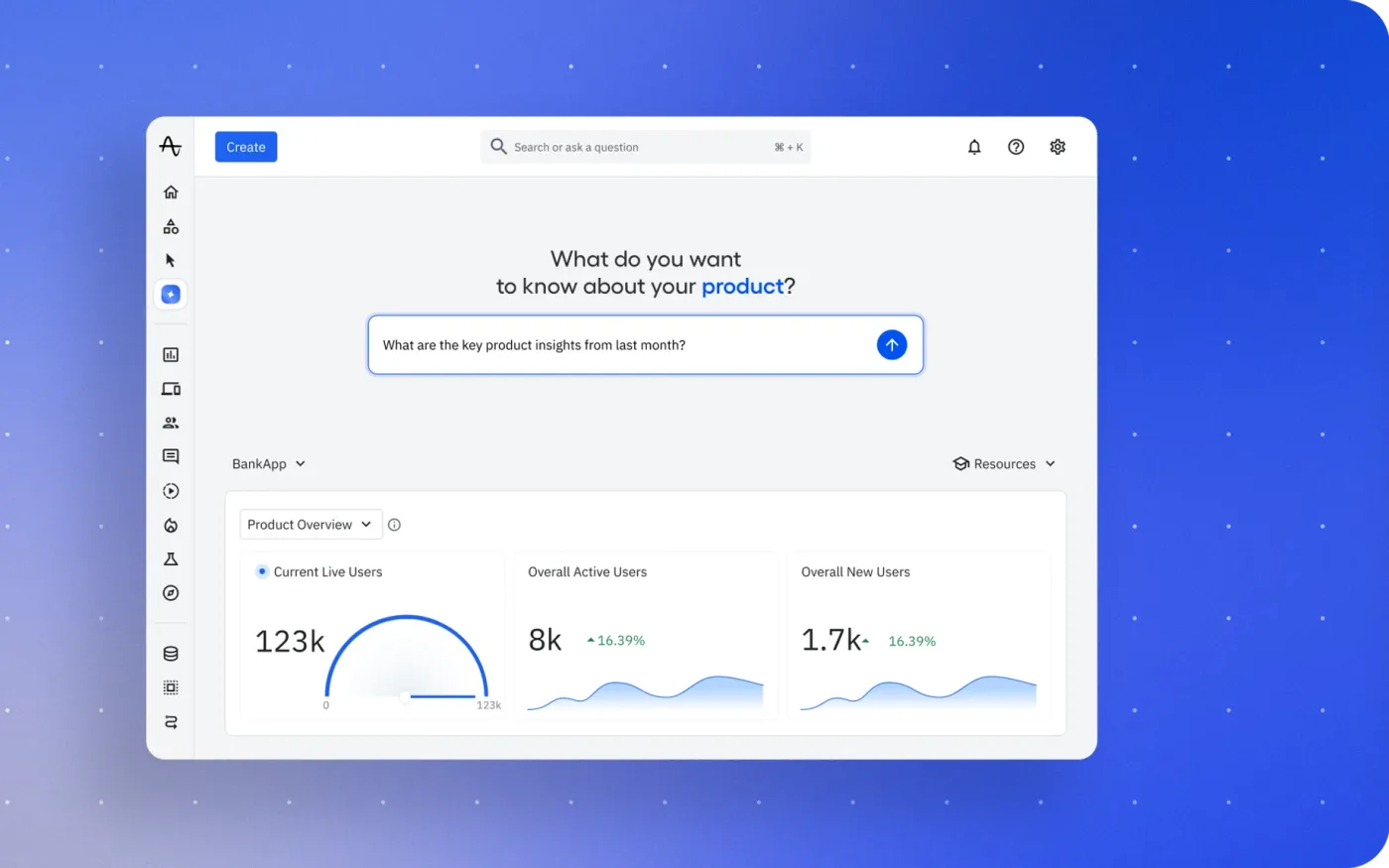
Amplitude replaced its old trust portal with Wolfia and turned the trust center into a steady inbound pipeline signal.
A buyer Googles your company and "trust center." Nothing. A well-known company has the same moment about its own page when it can’t surface its own trust center in search while a competitor’s ranks first. That gap quietly costs you deals, and the surface that closes it is one marketing should own. You need a public trust center you actually control, one that quietly moves deals along before security even asks, and that makes the company look buttoned-up to everyone who lands on it. Today you own a surface you can’t find, can’t brand, and can’t change.
Buried
How hard a typical trust center is to find, if Google finds it at all
Every buyer who can’t find or self-serve your SOC 2 is a deal that drags into procurement, an intent signal you never saw, and a buyer who left wondering if you’re enterprise-ready. See what deflecting that volume is worth.
Runs on trust.yourcompany.com with your logo, colors, and copy. It is fast enough to rank, so buyers searching your name actually find it. Most trust portals are too slow to rank and stay invisible.
Every domain that pulls your SOC 2 is intent. Pipe it into your CRM so SDRs reach out before procurement formally starts.
Old portals charge per viewer or per credit, which makes opening it to an ABM list a budget decision. Wolfia does not meter viewers. Open it to your whole pipeline.
SOC 2, pen test, and DPA sit at the top, gated by NDA or deal tier if you want. Buyers self-serve in one click instead of clicking pages deep into a form wall.
Multiple locales with auto-detected language. EMEA and APAC buyers see your trust posture in their language, with no translation work from your team.
The same knowledge base that powers your security questionnaires powers the public trust center. When the SOC 2 renews, the page updates. Marketing and security never drift.
This is the only marketing surface where the buyer arrives already wanting to buy. They’ve decided the product fits. Now they’re checking you’re not a risk. When they find a fast, branded, on-domain trust center and self-serve in one click, three things happen at once. The deal quietly moves before security asks (functional), you’re proud of how your security posture presents instead of bracing for it (emotional), and the buyer walks away certain you’re enterprise-ready (social). It compounds outbound too. At one customer, well-known prospects reached out after using the trust center. Not a doc dump. A surface that does the selling for you.
“In buyer conversations, I show the Wolfia Trust Center more than some of our product features. It’s a critical part of our sales process.”
David PaffenholzCEO & Co-Founder
The same knowledge base that auto-answers your security questionnaires also powers your trust center. When your SOC 2 updates, the trust center reflects it. When your subprocessor list changes, customers see it. Amplitude replaced their old trust portal and runs one Wolfia knowledge base across the public trust center and the questionnaire backlog. Marketing finally controls the brand all the way through procurement, without being the bottleneck. See the Trust Center for the product in detail, what a trust center is and what belongs on one if you are scoping the page, and Wolfia’s security questionnaire software for the questionnaires the page does not deflect.
Yes. It runs on trust.yourcompany.com (or security.yourcompany.com) with your logo, colors, and copy. CNAME, ACM, and CloudFront are handled for you, with no engineering ticket. Customers stand up their trust center with content auto-populated from their site, often approved within minutes.
Because the job only gets done if buyers can find it. Companies routinely cannot find their own trust center in search while a competitor’s ranks first. A trust surface nobody finds is one you don’t really own. Wolfia is fast enough to rank, so a buyer searching your company name lands on yours, and the deal starts moving before they ask.
The job is moving the deal before security asks. A buyer self-serves your SOC 2 in one click, the verification step they would have stalled on is already done, and you get the signal, because every domain that requests a doc lands in your CRM. At one customer, well-known prospects reached out after using the trust center.
There are no per-viewer or per-credit fees. You can open the trust center to everyone in your pipeline, including ABM lists, without watching a meter run. That is a core reason customers move off legacy portals.
You do. Public proof points stay open; sensitive docs like the pen test or SOC 2 sit behind an NDA or a deal-tier gate you set. Key documents sit at the top of the page instead of buried, so buyers self-serve in one click instead of going pages deep.
The trust center reads from the same knowledge base that powers security questionnaires. When the SOC 2 or subprocessor list updates, the public page updates too, so marketing and security never drift.
Yes. Multiple locales with auto-detected language let EMEA and APAC buyers see your trust posture in their language, with no translation work from your team.

$1.5M+
Annual value delivered
Hours
Per security review, down from weeks


5x
Faster security reviews
Real time
Answers for AEs, down from an end-of-week wait
“The sales team thinks it’s magic. They send in a questionnaire and get responses back the same day.”

Garrett CloseHead of GRC
“In buyer conversations, I show the Wolfia Trust Center more than some of our product features. It’s a critical part of our sales process.”

David PaffenholzCEO & Co-Founder
Wolfia reads your policies where they already live and answers in Slack, the buyer’s portal or the file they sent.
Knowledge sources
 Google Drive
 Notion
 Confluence
 SharePoint
 OneDrive
 GitHub
 GitLab
 Glean
Glean Guru
Guru Slab
Slab Mintlify
 Letter AI
Deal flow
 Salesforce
 HubSpot
 Gong
Gong Clari
Clari Momentum
 Slack
Slack Intercom
Compliance and contracts
 Vanta
Vanta Drata
Drata DocuSign
 Ironclad
 Jira
Jira LinkSquares
 Rippling
 Box
BoxQuestionnaire portals
 OneTrust
 ServiceNow
 SAP Ariba
 Coupa
Coupa ProcessUnity
 Whistic
 UpGuard
 Zip
Zip AuditBoard
 LogicGate
 Drata
Drata Panorays
See Wolfia answer your security questionnaires, RFPs, contract redlines and trust center requests. Unlimited seats and outcome-based pricing.
Book a demo